
Opis
✅ Technology Classification
Belviso SMAS Fusion Lift belongs to the MMFU / MFU / HIFU category — Micro-Focused Ultrasound (High-Intensity Focused Ultrasound). The technology concentrates ultrasound energy at a precise focal point within the tissue, where a controlled thermal coagulation zone (TCP — thermal coagulation point) is formed. Energy passes through the skin surface without damaging the epidermis and focuses at a chosen depth, locally heating tissue to above 60°C, which initiates collagen regeneration and remodelling.
Physical parameters:
- Focal temperature: 60 to 70°C
- Pulse duration: milliseconds
- Injury type: TCP (thermal coagulation point)
- Working depths: 1.5 to 13 mm
✅ Mechanism of Action
The biological mechanism of MMFU technology unfolds across four sequential phases.
Phase 1 — Formation of thermal coagulation points (TCP): At the point of ultrasound energy concentration, matrix protein denaturation occurs, collagen fibres contract, and microscopic thermal injuries are created. Each pulse generates a microscopic coagulation focus within the tissue while leaving surrounding structures completely intact.
Phase 2 — Inflammatory phase (1 to 7 days): The body initiates a repair response involving activation of macrophages, recruitment of fibroblasts, and induction of heat-shock proteins (HSP47).
Phase 3 — Neocollagenesis and neoelastogenesis (2 to 12 weeks): Histological studies demonstrate increased fibroblast activity, synthesis of new type I and type III collagen, and formation of new elastin fibres. The collagen remodelling process continues for approximately 90 days, which explains the progressive improvement of results over time.
Phase 4 — Tissue remodelling (3 to 6 months): Biological effects include shortening of collagen fibres, reorganisation of the extracellular matrix, increased tissue tension, and improvement of skin biomechanics.
✅ Anatomical Layers Targeted
The technology acts on multiple tissue levels simultaneously — unlike RF, laser, or standard HIFU devices which are limited to shallower depths.
SMAS layer: The deepest structural support layer of the face. Work at this depth produces the most significant lifting effect — contraction of fibrous support structures, improved tissue elevation, better facial oval definition, reduction of lower face sagging, and improved jawline and chin area quality.
Dermis (deep and superficial): Contains fibroblasts, collagen fibres, elastin fibres, and ground substance. Treatment at this level stimulates fibroblasts, increases collagen synthesis, improves skin density and elasticity, reduces fine wrinkles, and improves skin resistance to further sagging.
Subcutaneous tissue: Responsible for volume, support, and tissue movement mechanics. Treatment improves the tension of supporting septa, creates a more compact tissue appearance, better contour, and reduction of localised puffiness or sagging in appropriately selected indications.
Epidermis: The device does not act primarily at the epidermis, but the epidermis benefits indirectly from the improvement of deeper layers — resulting in smoother skin surface, better tension, subtle reduction of fine laxity, and improved overall skin quality.
✅ Treatment Effects
- Lifting and firming of facial and neck skin
- Improved facial oval definition and jawline sharpness
- Reduction of lower face sagging and jowls
- Increased skin density, thickness, and elasticity
- Reduction of fine and medium wrinkles resulting from loss of elasticity
- Improved skin texture and overall skin quality
- Reduction of tissue puffiness and lax appearance
- Progressive collagen remodelling continuing for up to 6 months post-treatment
- Long-lasting structural enhancement and natural tissue regeneration
- Support for skin longevity through activation of natural repair mechanisms
✅ Treatment Areas
Face:
- Forehead (with appropriate parameters)
- Temple area
- Upper cheeks
- Lower cheeks
- Nasolabial folds
- Mandibular line / jawline
- Chin / double chin
- Eye and periorbital area
Neck: Separate treatment zone from the face.
Body:
- Arms
- Abdomen
- Selected body areas requiring firming
The scope of treatment depends on anatomy, tissue thickness, degree of laxity, contraindications, and selection of cartridge depths.
✅ Key Benefits
- Multi-level action: The device is not limited to a single depth. Treatment can be built at superficial, mid, deep, and SMAS lifting levels within a single session.
- Reaches the SMAS layer: Penetrates deeper than RF, laser, IPL, and standard HIFU devices — the only non-surgical technology that acts on the SMAS, which is the primary structural support layer of the face.
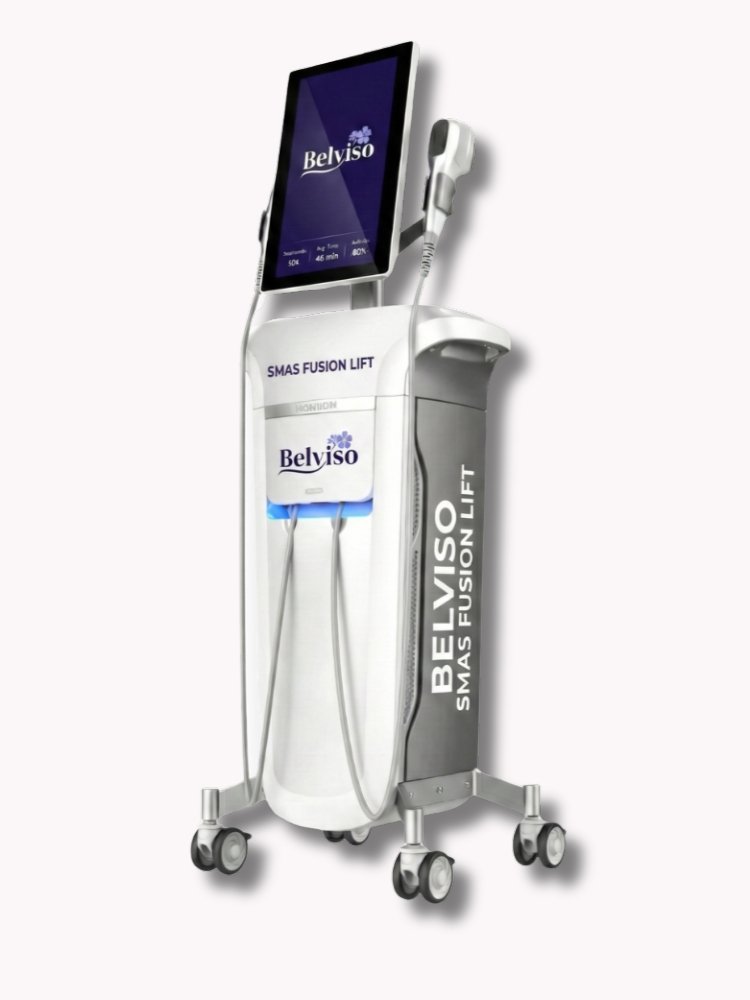
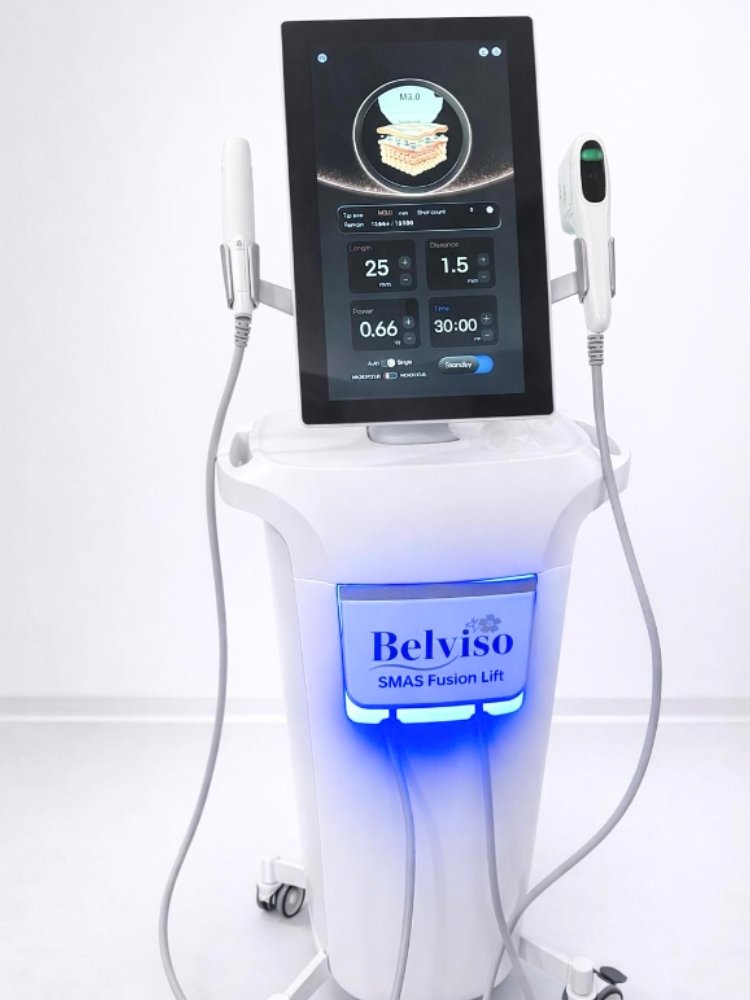
- Dual handpiece system: The Micro-Focused Handpiece provides precision for layered, point-by-point work, while the Macro-Focused Handpiece (Collagen Cannon) delivers sliding technique for uniform energy distribution across large areas. Combined, they provide both targeted lifting and global firming.
- No damage to the epidermis: The energy bypasses the skin surface entirely, focusing only at the chosen tissue depth.
- Progressive and long-lasting results: The primary benefit is not only immediate collagen contraction but ongoing tissue remodelling continuing for 3 to 6 months post-treatment.
- Non-surgical: Achieves lifting, contouring, and skin quality results without incisions, anaesthesia, or surgical recovery.
- 10 cartridges, extensive personalisation: A cartridge range from 1.5 mm to 13 mm allows treatment to be adapted to thin facial skin, thicker body tissue, and everything in between.
- Skin longevity support: Activates fibroblasts, stimulates repair processes, improves extracellular matrix integrity, and strengthens the skin’s structural resilience against further ageing.
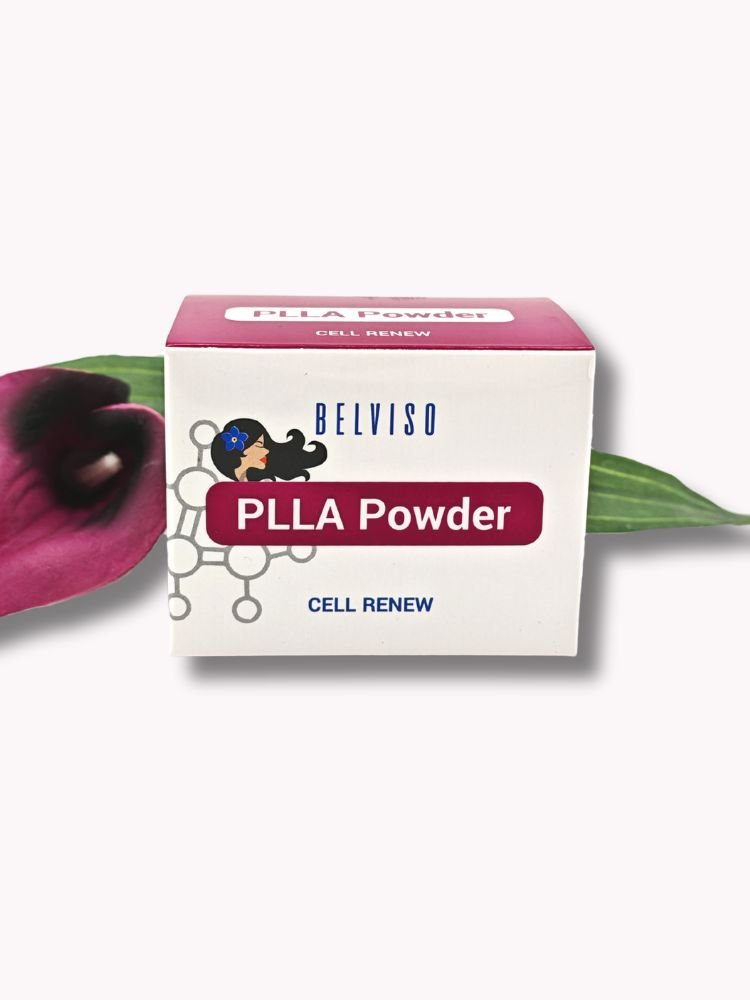
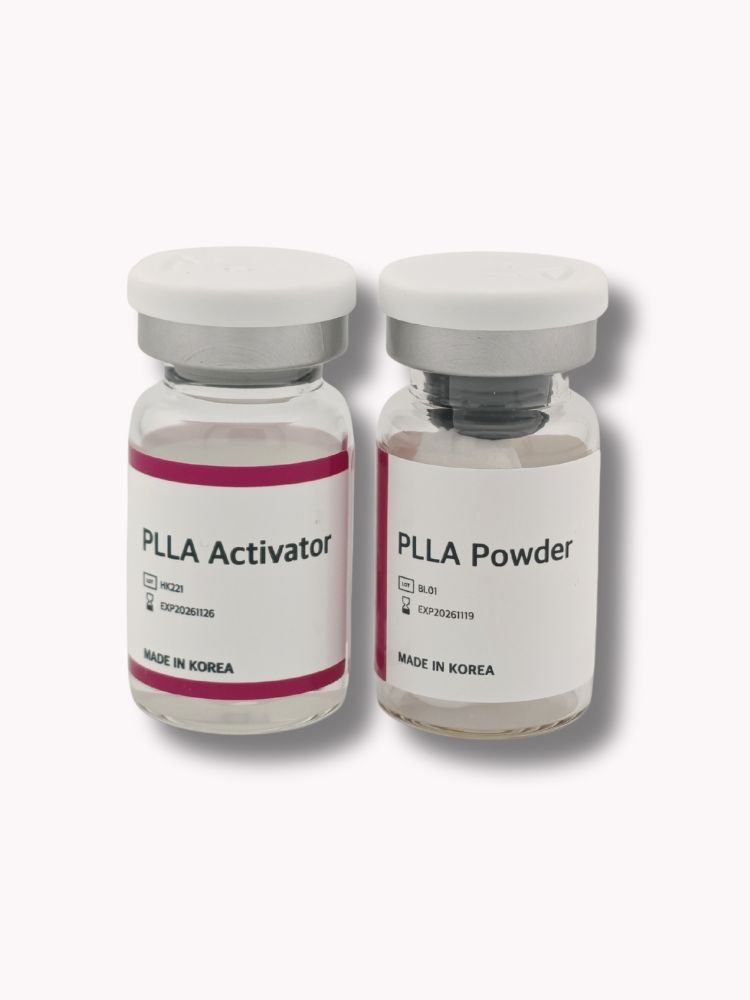
- Combination synergy: Best results are achieved when combined with tissue stimulators. The recommended sequence is SMAS Fusion Lift first, followed by the tissue stimulator 2 to 4 weeks later, delivering a combined lifting and skin regeneration outcome.
✅ Indications
- Skin laxity of the face
- Loss of facial oval definition
- Sagging cheeks
- Static wrinkles
- Neck laxity
- Double chin
- Loss of skin tension
- Ideal biological skin age: 30 to 65 years
- Mild to moderate tissue laxity
- Patients without significant excess skin
✅ Contraindications
- Pregnancy and breastfeeding
- Active skin infections in the treatment area
- Severe systemic diseases
- Electronic implants (pacemaker)
- Metal implants in the treatment area
- Autoimmune skin conditions
- Dermal fillers in the treatment area placed less than 4 weeks prior
- Fresh lifting threads in the treatment area
✅ Possible Side Effects
Transient:
- Oedema
- Erythema
- Tenderness
Rare:
- Paraesthesia
- Muscle weakness
✅ Post-Treatment Recommendations
The first 7 days following treatment represent a critical skin regeneration period.
Recommended:
- Gentle skin cleansing
- Application of moisturising preparations
- Application of regenerating preparations
- Daily photoprotection
Patient should avoid:
- Sauna
- Intense physical exercise
- Hot baths
- Alcohol and spicy food
- Intense heat for 24 hours post-treatment
The patient may return to work immediately following the procedure.






 English
 Polish
Reviews
There are no reviews yet.